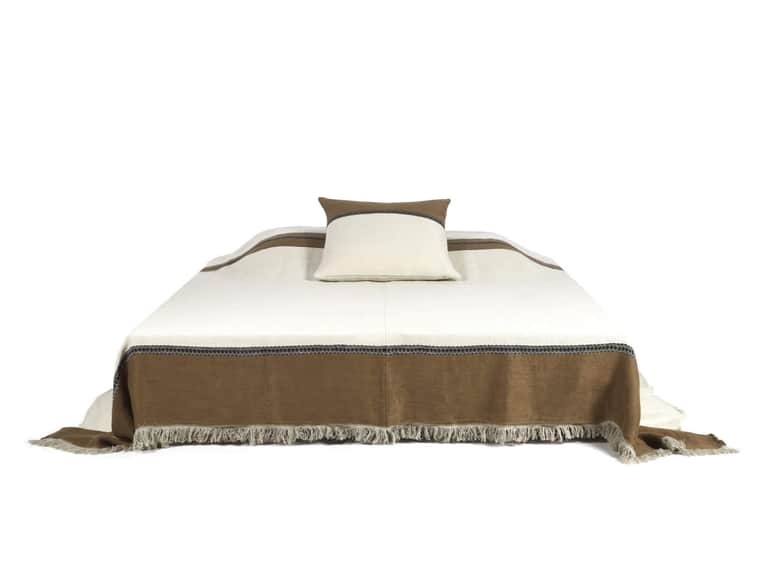
Blankets and quilts provide warmth, a comfortable additional layer, and a way to adjust bedding to changing temperatures. Their weight and construction influence how they feel and function on a bed. Used alongside sheets, pillows, or comforters, these layers can support a practical, adaptable sleep setup throughout the year.
Coverlets are typically lighter than many comforters and can serve as a top layer or an extra covering over sheets. The Auburn Coverlet offers this flexible role in a bedding arrangement, adding a layer of coverage without requiring the bulk of a heavier quilt. Its use can suit bedrooms where adjustable warmth is useful.
The Etienne Coverlet is another lightweight bedding layer, suitable for placing over sheets or combining with a comforter when additional coverage is needed. A coverlet’s more manageable weight can make it useful across seasons, while its position at the top of the bed helps create a neat, layered arrangement.
When choosing blankets and quilts, consider room temperature, preferred sleep warmth, fabric care, and how the layer will be used. Lightweight coverlets can complement heavier comforters, including wool comforters, rather than replace them. Coordinating these layers with sheets and pillows helps create bedding that fits individual comfort needs.
Blankets, quilts, coverlets, sheets, pillows, and comforters each contribute differently to bedding comfort and function. A coverlet such as the Auburn or Etienne can provide a versatile surface layer, while thicker blankets or wool comforters offer more insulation. Understanding these distinctions helps determine suitable layers for everyday use and seasonal changes.
 Bedding