Understanding Linen: Fiber Properties, History, and Everyday Care
A primer on linen as a natural fiber, exploring its structure, storied past, and practical care for modern homes and wardrobes.
Linen has always walked the line between utility and poetry. It is a fabric that cools a room with its breath, a fiber that remembers the field where it began. From the quiet linen of ancient loom to the modern, sustainable fibers that populate our beds and table, linen has a way of making the ordinary feel considered. This piece offers a concise, human-scale exploration of linen: its fiber properties, its historical arc, and the small rituals of care that keep linen soft, durable, and environmentally aware.
We begin with the fiber itself: linen is derived from the flax plant, and its hollow fibers confer a distinctive breathability and moisture management that sets linen apart from many other natural fibers. Then we travel through time—brief, readable, and precise—to trace linen's role in textile history, from antiquity to the slow-fashion era. Finally, we offer practical guidance for care and maintenance—eloquent enough to read, simple enough to apply in daily life.
Fiber Properties: Why Linen Breathes and Lasts
Linen fibers are notable for their hollow core and natural rigidity, which together create a fabric that is exceptionally breathable and moisture-wicking. The porosity of linen allows air to circulate, helping to keep the wearer cool in warm weather and enabling comfortable layering in chillier seasons. The fiber's strength—one of linen's most lauded traits—also contributes to durability across repeated washings, a quality prized in bedding, apparel, and home textiles.
- Breathability: Linen's structure promotes airflow, reducing cling and heat buildup.
- Moisture management: Linen wicks moisture, tends to dry quickly, and dries with less stiffness over time.
- Strength and durability: The flax fibers resist wear, enabling long lifespans for linen textiles.
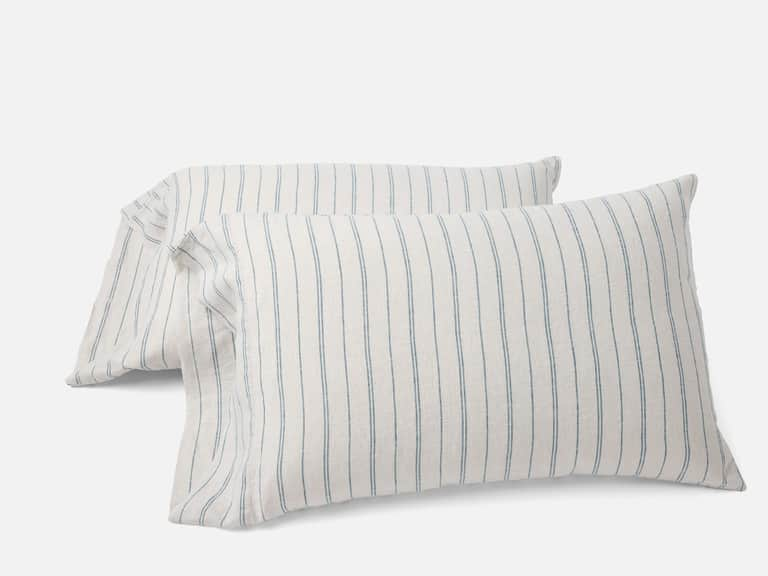
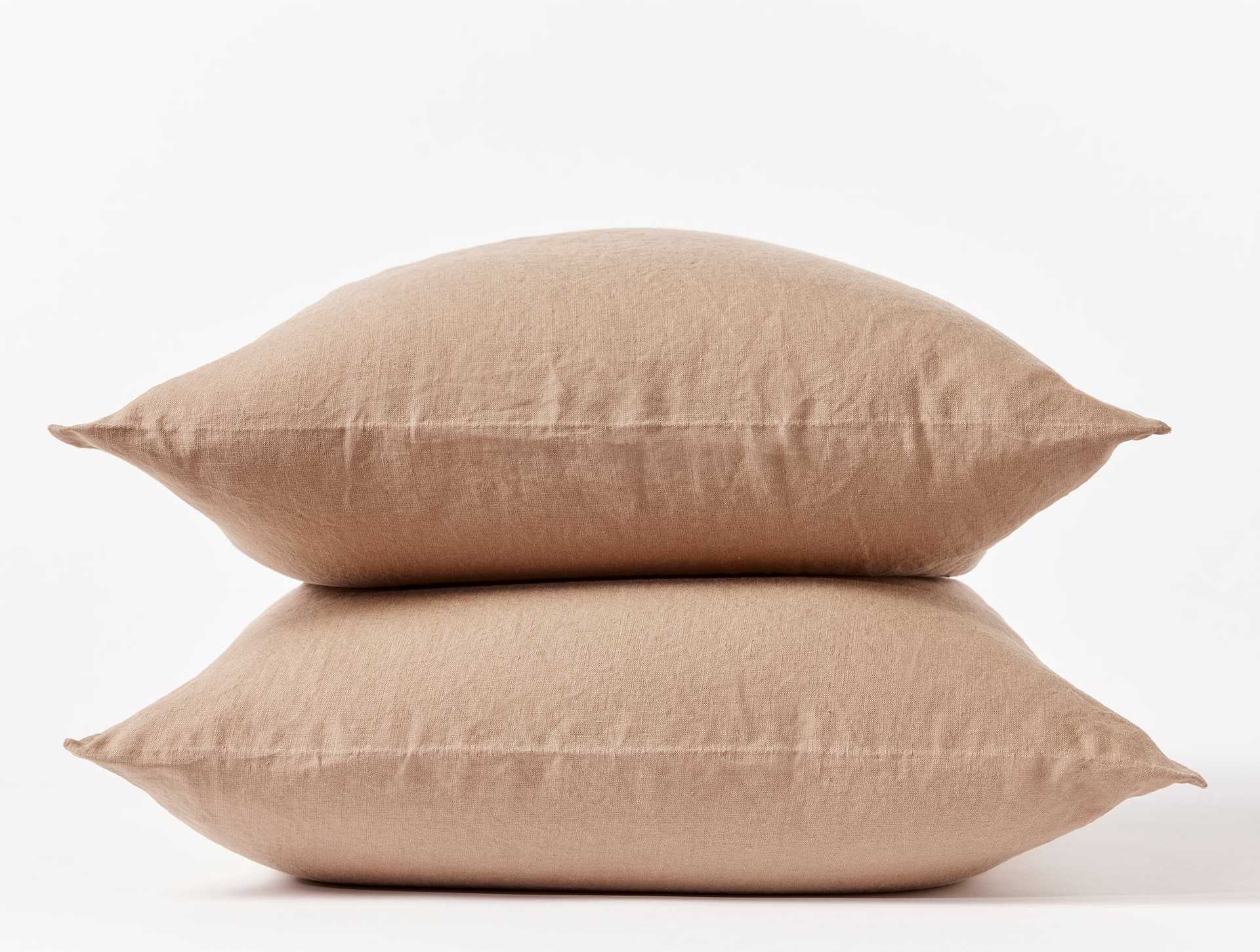
- Texture and hand: Linen develops a relaxed, breathable hand that softens with each wash, while maintaining a crisp, structured appearance.
In practical terms, these properties translate into sheets that feel cool in summer, drape with a natural ease, and require relatively simple care that respects the fiber’s integrity. The result is a textile that remains relevant in a climate-conscious age, where longevity and low-impact production matter as much as aesthetics.
Historical Threads: Linen's Storied Past
Linen wears its history—literally. In ancient Egypt, linen was the fabric of choice for its cool, crisp touch in hot winds and dry climates. Across Europe, linen wove a thread through households and guilds alike, a material that could be spun, woven, and finished with a minimalistic elegance that outlived many fleeting fashions. Linen fabrics appear in historical fragments—from relics of antique looms to the linen-laden wardrobes of European nobility—signaling linen's enduring presence in culture, craft, and daily life.
The linen story intersects with the broader trajectory of sustainability. Linen's flax plant can be grown with relatively modest inputs, and the long fibers yield fabrics that are both strong and recyclable. In modern textile discourse, linen has become a touchstone for slow fashion: a material that invites careful use, thoughtful design, and durable performance rather than disposable trends.
In sum, linen is not merely a fabric; it is a record of human craft—an enduring material that connects ancient knowledge with contemporary sensibilities about materials and the environment.
Care Guidelines: Keeping Linen Soft and Sustainable
Caring for linen is a matter of respect for the fabric’s temperament. Linen welcomes a gentle approach that preserves its texture while maintaining color and strength. Below are practical, reader-friendly guidelines drawn from long-standing textile knowledge and contemporary stewardship of natural fibers.
- Washing: Opt for a gentle cycle with cool to warm water. Use mild, natural detergents that do not overly strip fibers. Avoid bleach unless absolutely necessary and used with care, as harsh chemicals can degrade fiber strength over time.
- Drying: Air-drying is ideal to minimize shrinkage and preserve the fabric's natural character. If you must use a dryer, choose a low heat setting and remove while slightly damp to reduce wrinkling.
- Ironing and finishing: Iron linen while damp on a warm setting to restore its crispness. A light spray of water or a plant-based fabric enhancer can help achieve a smooth finish without sacrificing texture.
- Storage: Store linen items in a cool, dry place to prevent mildew and discoloration. Avoid plastic packaging for extended periods, allowing the fabric to breathe.
Beyond the mechanics, care for linen invites a mindfulness about how we use textiles. Linen rewards patience: it softens with each wash, reveals a character through wear, and remains robust across seasons. This is not merely about maintaining a product; it is a practice of sustainable living that aligns with the material’s natural lifecycle.
Three Key Figures: Linen in Time
To appreciate linen's full arc, consider three pivotal voices from distinct eras, each offering a unique lens on fabric, craft, and cultural meaning.
Hypatia of Alexandria
A symbol of classical knowledge and scholarly rigor, Hypatia’s era underscores linen as a staple in the Mediterranean world—textiles that mediated heat and fabric, and thus daily life in arid climates. While not a textile artisan per se, Hypatia’s intellectual heritage invites us to see linen as a material of discipline and craft, a reminder that linen’s durability and rational wear have long treated clothing and bedding as serious, long-term investments in comfort and health.
Thomas Mun
A figure of early modern economics, Mun’s era affixes linen to the broader story of trade, colonization of flax sources, and the emergence of national textile industries. Linen’s place on ships, ships’ holds, and merchant stalls tethered craft to commerce, showing how a humble fiber could migrate through networks of labor and skill, shaping communities and economies alike.
Anni Albers
A modernist weaver, Albers’s work foregrounded textile form as an art of disciplined experimentation. Her practice—woven structures, disciplined geometry, and an insistence on material honesty—reframes linen as both a cultural artifact and a medium of ongoing innovation. Her perspective helps readers see linen not merely as a texture but as a system—woven logic, texture, and a tactile culture of making.
Case Study: The DownTown Company Summer Linen Comforter
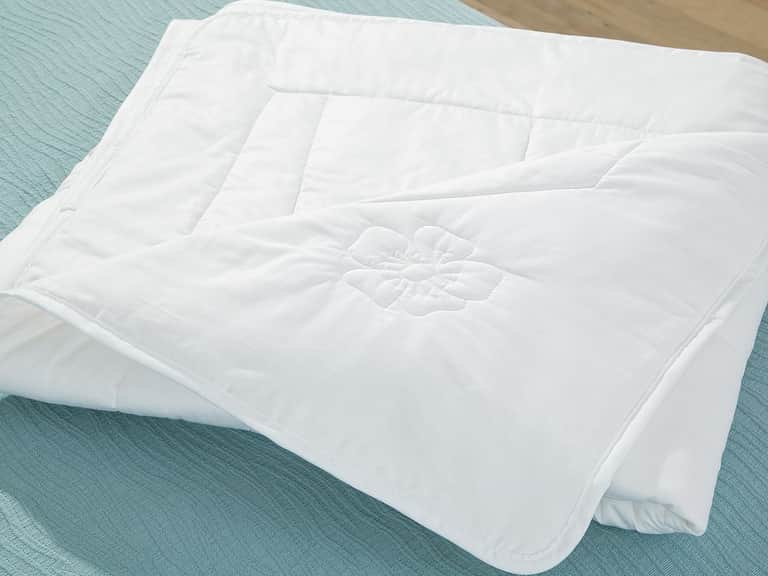
The DownTown Company Summer Linen Comforter embodies a modern synthesis of linen’s breathability, careful construction, and a design ethos that values comfort without excess. Though the product sits at a retail interface, it offers a useful lens into how linen can translate into sleep-friendly textiles that are lightweight, moisture-regulating, and easy to maintain. The comforter’s cotton-linen blend filling and Aloe Vera cotton sateen cover illustrate how careful blending and finishing can extend linen-inspired performance into a cooler-season layering option, without obscuring the inherent properties of linen itself.
Overview: Lightweight, breathable, and designed for year-round use, blending cotton-linen fill with a soft cotton sateen shell finished with Aloe Vera for a smooth hand.
Why it matters: Demonstrates how linen-inspired performance can be extended into comforter technology—balancing light insulation with air movement and moisture management.
Images and product visuals accompany real-world examples in contemporary design. The product line helps readers understand how linen’s core advantages translate into a range of sleep products—from sheets to comforters—without abandoning the fiber’s essential character.
Glossary of Linen Terms
- Linen: The textile made from the flax plant, known for breathability and durability.
- Hollow fibers: A fiber structure that enhances air flow and moisture management in linen.
- GOTS: Global Organic Textile Standard, a certification that ensures organic fiber sourcing and responsible production.
- Hemstitch: A decorative stitch that often appears on linen edges, contributing to a refined finish.
- Stone-washed: A finishing process that imparts softness and a lived-in feel to linen textiles.
A Durable, Sustainable Habit: Linen as Everyday Principle
Linen’s appeal endures because it invites a patient relationship with textiles. It rewards the careful, thoughtful approach: wash once, wear often, and cherish fabrics that grow more comfortable with use. In a world increasingly oriented toward disposable goods, linen reminds us that sustainability can be elegant, practical, and deeply rooted in craft, history, and science. The fiber’s breathability, durability, and ecological footprint offer a blueprint for a more mindful, comfortable, and resilient daily life.
As this primer has suggested, linen is more than a fabric. It is a cultural artifact, a material with a long, folded history, and a contemporary ally in sustainable living. The next time you reach for a linen sheet or a linen shirt, you are choosing more than texture or color—you are choosing a lineage of materials, care, and craft that has persisted for millennia and will continue to inform our wardrobes and rooms for generations to come.
A Practical Note: Integrating a Linen Mindset with a Product Line
This article integrates a real-world product to illustrate linen's practical application while maintaining a non-commercial, educational stance. The DownTown Company Summer Linen Comforter demonstrates how linen-inspired textiles translate into sleep-friendly comfort without compromising ecological considerations. Its design exemplifies how thoughtful fabric blends, careful finishing, and breathable construction can support year-round comfort in a sustainable framework.
Downtown Company Summer Linen Comforter
A lightweight comforter designed for warm climates and year-round use. Features a cotton-linen blend filling and a smooth cotton sateen cover with Aloe Vera finish.
Note: This product example is provided to illustrate linen’s cross-category applicability. Our discussion remains informational and focused on materials, history, and care rather than commercial promotion.