Comforters are a key layer in bedding, providing warmth and softness while maintaining a breathable structure for varied climates. This category emphasizes fabrics, fill types, and construction details that influence insulation, weight, and loft. Readers can compare materials, weaves, and care requirements to select a comforter suited for seasonal sleeping patterns and room conditions, including humidity and temperature control.
Common comforter materials include cotton, linen, and blends, each offering distinct advantages. Light linen products tend to offer breathability and a natural drape, aiding moisture management and a cooler touch in warm months. Understanding fabric weight, thread count notional guidelines, and filling options helps consumers gauge comfort level and durability for long-term use.
Key features often highlighted are fill power, fill weight, warmth rating, and stitching quality. Down, synthetic, and cotton-wrapped options provide varying levels of loft and thermal efficiency. Care considerations such as machine washing suitability, tumble-dry guidelines, and fiber resilience contribute to the practical longevity of a comforter in daily sleep routines.
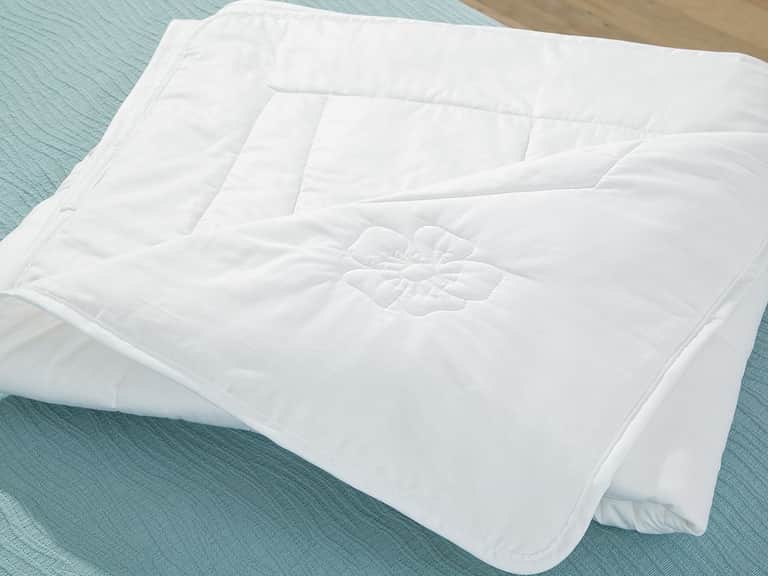
The DownTown Company Summer Linen Summer Comforter exemplifies seasonal adaptability through lightweight linen construction, comfortable breathability, and a relaxed loft. This type of product demonstrates how linen fibers promote air circulation while offering a soft hand, making it appropriate for transitional seasons or warmer climates without excessive warmth.
In understanding the broader category of comforters, readers can assess compatibility with bedding ensembles, room decor, and functional needs like allergy considerations and ease of cleaning. By examining fabric compositions, construction methods, and performance characteristics, one can identify comforters that align with comfort goals, climate, and personal sleeping preferences.
 Bedding